Robots for Regeneration: Nurturing Soil and Community Through Autonomy

Reducing Chemicals and Protecting Soil
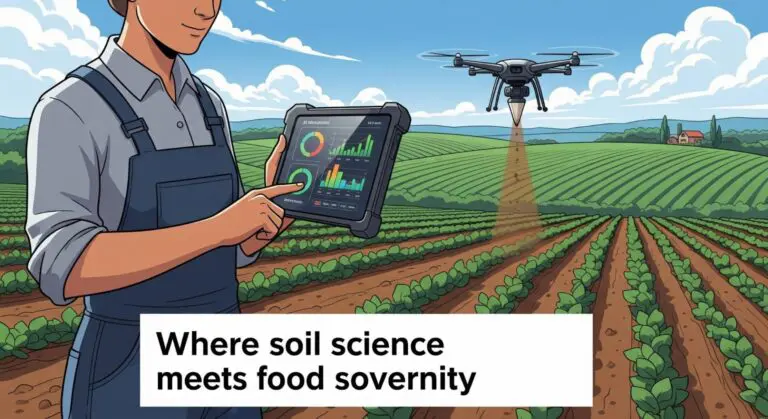
Conventional weed control often relies on blanket spraying that damages soil, harms biodiversity, and wastes money. Modern field robots change the story. Laser‑equipped weeders use machine vision to distinguish crops from weeds and zap only the unwanted plants. This targeted approach can slash herbicide use by 80–90 % and cut weed‑control costs by 80 %, paying for itself in just two to three seasons. Robots operate day and night across acres of crops, eliminating tens of thousands of weeds per hour and freeing up workers for higher‑value tasks. With fewer chemicals and less soil disturbance, beneficial microorganisms thrive and waterways remain cleaner.
AI‑Powered Operations and Customer Success
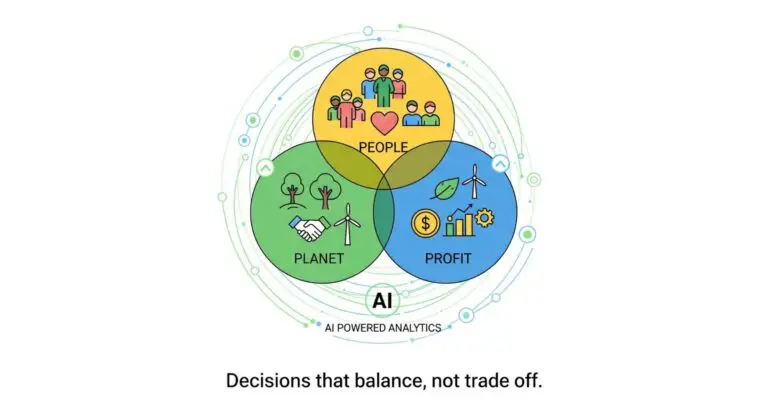
The real magic of autonomous systems comes when robotics meets artificial intelligence. AI transforms sensor data into actionable insights—whether that’s real‑time soil nutrient analysis from platforms like Stenon or predictive weed and pest alerts. For agriculture retailers, AI tools automate back‑office functions and streamline customer interactions. Key Cooperative in Iowa uses AI to generate agronomy prescriptions and summarize customer sentiment, helping agronomists serve farmers more effectively. Apps like AGPilot let advisors dictate notes on the road; AI then updates the CRM, captures purchase history, and even stores personal details such as birthdays to deepen relationships. AI can also identify pest outbreaks and send proactive notifications, allowing advisors to respond quickly while creating future sales opportunities. For vendors selling sensors and robots, integrating AI into dashboards delivers real‑time cost‑savings metrics and tailored product recommendations, enabling operations teams to forecast demand and customer success teams to schedule maintenance and upsell high‑margin products.
Building Community and Cooperation
Autonomous weeders are not just gadgets; they are tools for regenerative farming. As robots reduce chemicals and improve soil health, farmers can participate in cooperative irrigation and nutrient‑management schemes that protect shared aquifers. Data‑sharing platforms help growers compare results, coordinate irrigation, and earn sustainability certifications that command higher market prices. Vendors can support this shift by offering community dashboards and educational resources that turn customers into advocates.