Listening to the Land: Sensors and the Intelligence of Nature
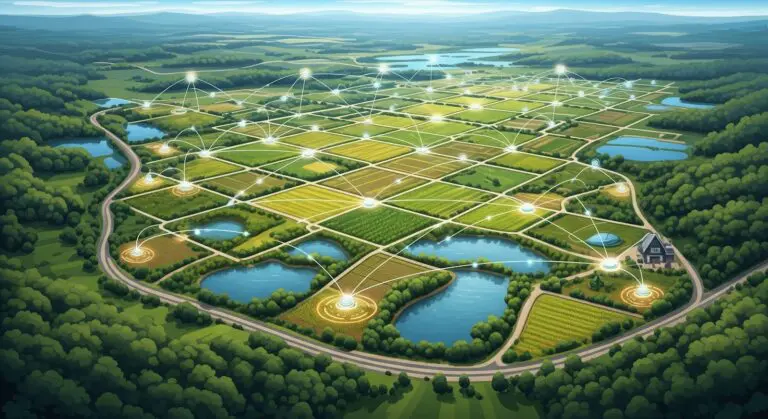
Agriculture is evolving from extraction to collaboration with living systems. Soil and irrigation sensors are among the instruments in this new symphony. By embedding networks of moisture, temperature and nutrient sensors across fields, farmers create a data‑rich conversation with the land. AI algorithms weave this information into predictive models that can cut water consumption by 30‑50 % and improve yields by up to 30 %—but more importantly, they reveal the rhythms of soil, weather and plant life.
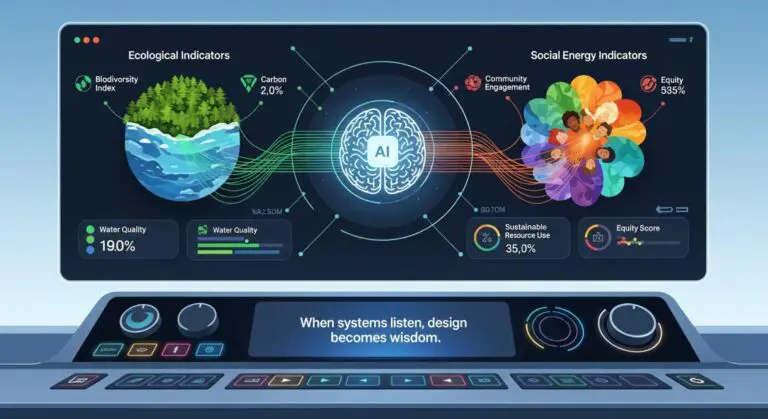
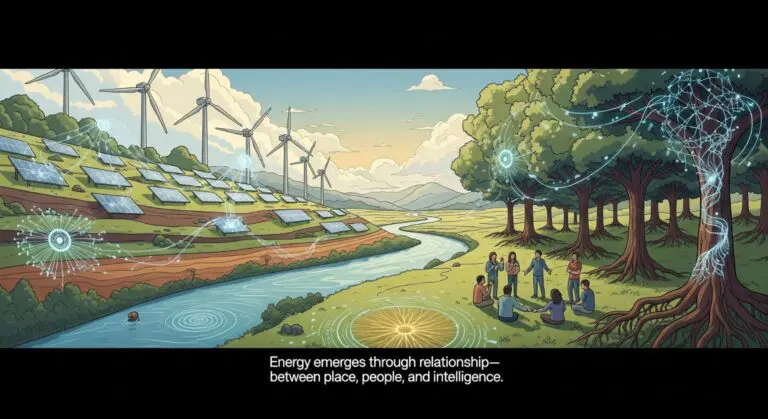
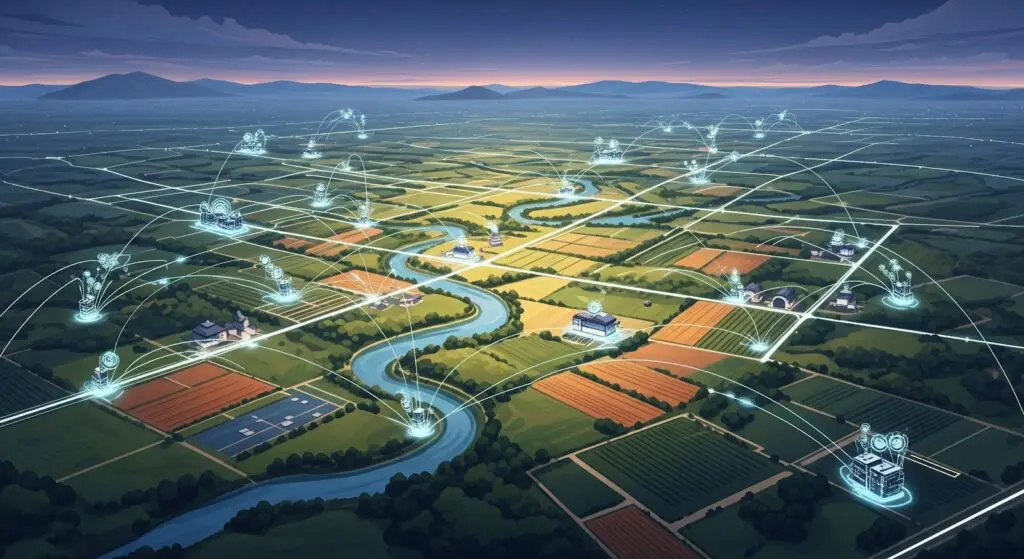
In this vision, technology doesn’t dominate nature; it listens. Sensors communicate soil stress, pest pressures and nutrient flows. AI systems learn from these signals to orchestrate irrigation and fertilization, preserving soil structure and preventing erosion. On a larger scale, networks of sensors across farms can feed regional models that guide watershed management and collaborative decision‑making. For forward‑thinking sensor manufacturers, this opens new business models: offering platform ecosystems where farmers, researchers, and policymakers share data and insights. Marketing teams can position their brand as enablers of a regenerative future, while sales teams can cultivate partnerships with sustainability programs and research institutions. Customer success can evolve into ecosystem success, helping growers join networks that regenerate soils, replenish aquifers and feed communities.
The future belongs to those who treat sensors not as gadgets but as gateways to the Earth’s intelligence. By integrating AI and real‑time sensing, agriculture moves toward harmony—producing more food while healing the land.