Sustainable Access: Financing and Supplies for Regenerative Farming
Democratizing Modern Equipment
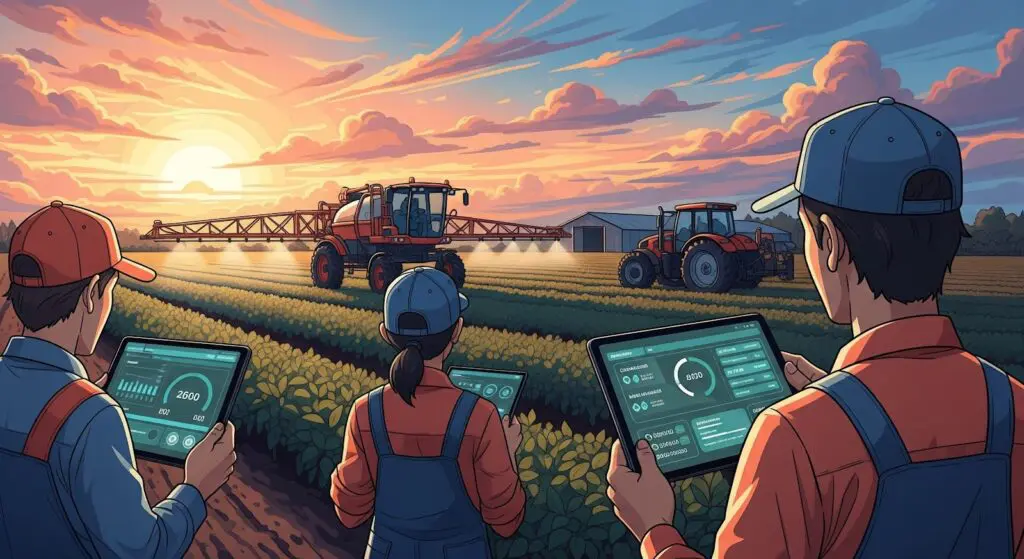
Smallholders and family farms often struggle to afford new machinery. Flexible leasing and rental programs offer a solution. By 2025, over 60 % of small farms will use leasing to access advanced tractors, harvesters and sprayers, reducing upfront costs by up to 40 % and leveling the playing field. Equipment rental services—expected to reach over $105 billion by 2034—let farmers pay only when they need specific machinery, matching costs to seasonal cash flow. Digital platforms using satellite and remote sensing data ensure fair terms and transparent contracts. Some agreements even include sustainability clauses that require soil health, water management and biodiversity practices. Farmers can test emerging technologies without long-term commitments, adopt fuel‑efficient machines and participate in carbon-credit programs.
AI‑Driven Sustainability and Resource Stewardship
Smart equipment fuels sustainable farming. IoT sensors and autonomous sprayers reduce fertilizer and pesticide use by 20–50 % and cut water consumption by 30–50 %, while preserving yields. Precision robots like Solinftec’s sprayers deliver 30 % yield gains and pay for themselves within two seasons. AI‑guided irrigation systems monitor soil moisture and apply water only where needed. Predictive maintenance algorithms ensure equipment runs efficiently, reducing waste and emissions. Leasing companies increasingly provide energy‑efficient machines and maintain them to extend life cycles, reducing environmental impact. For farmers, this means healthier soils, cleaner waterways and lower carbon footprints; for equipment suppliers, it opens markets among eco‑conscious growers.
Community Finance and Cooperative Models
Digital finance platforms foster cooperation and resilience. They enable co‑ops and watershed groups to share equipment, coordinate usage schedules and monitor environmental impact. AI‑driven CRMs gather growers’ sustainability goals and automatically send personalized advice, reminders and celebration messages. Sustainability‑linked loans offer better terms to farmers who achieve water and fertilizer savings or adopt regenerative practices. In addition, embedded carbon-footprinting tools help track emissions and qualify farmers for ecosystem services payments. Sellers can build customer loyalty by offering training on sustainable practices, hosting community dashboards and supporting regenerative finance initiatives. By aligning access to equipment with environmental stewardship and community engagement, the agricultural supply industry becomes a partner in regeneration.