Building Systems That Evolve
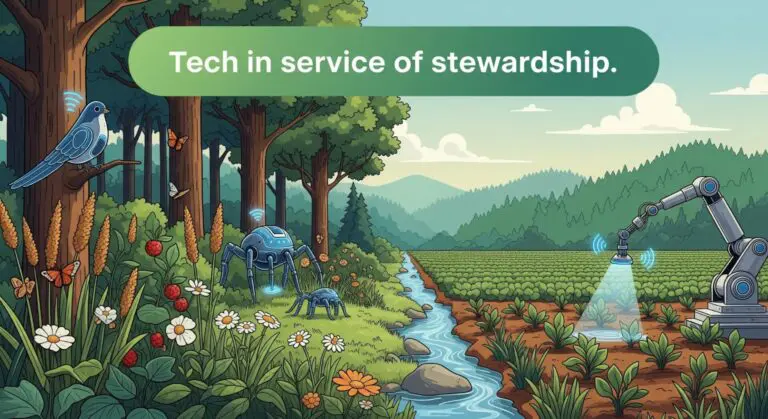
Most food infrastructure was built for efficiency, not adaptability. As conditions shift—from climate to supply chains to consumer values—we need systems that can sense, learn, and respond in real time. AI, when embedded into circular and regenerative models, can help build food infrastructure that behaves more like a living organism than a static machine.
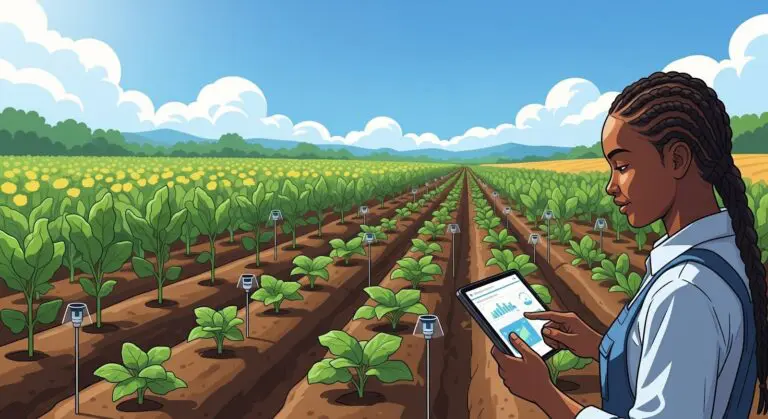
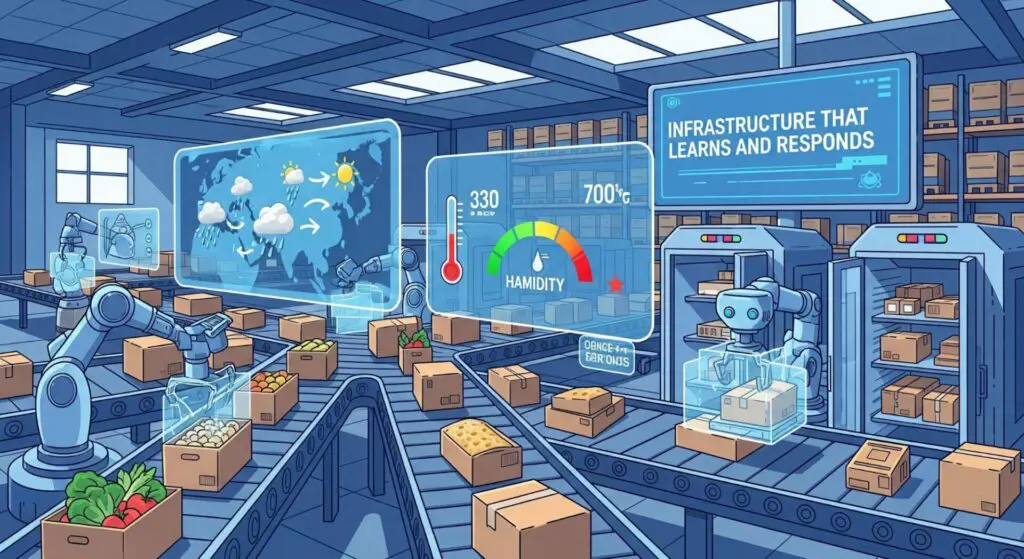
This involves more than tech retrofits. It means designing warehouses that adjust lighting and cooling based on biodiversity signals, urban farms that tune production based on nutrient recovery data, and distribution centers that reroute in real time to serve community need.
Intelligence That Scales with Purpose
AI-driven food systems can become adaptive networks—interconnected, context-aware, and rooted in place. They can help regions develop resilient microgrids for local food production and processing, with embedded feedback that ensures circular flows of materials and knowledge.
This shift in design paradigm places intelligence not just in central control systems, but throughout the network—mirroring how healthy ecosystems operate.