The Limits of Optimization
For decades, energy innovation has revolved around the concept of optimization—cutting costs, boosting efficiency, reducing losses. While these goals remain important, they are ultimately bounded by a mechanistic worldview. In the face of accelerating climate shifts, infrastructure fragility, and societal transformation, optimization is no longer enough.
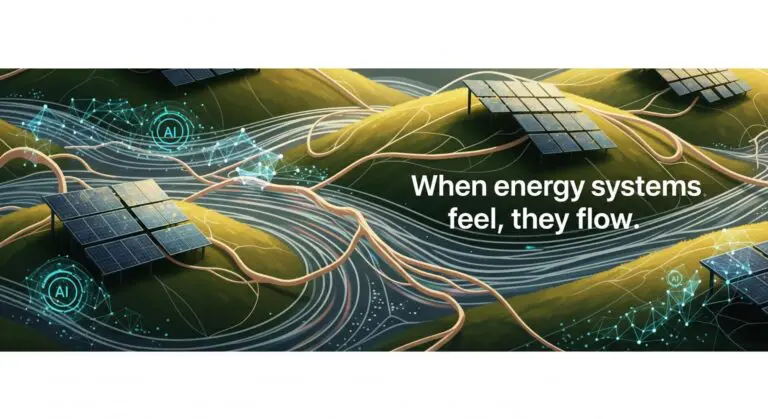
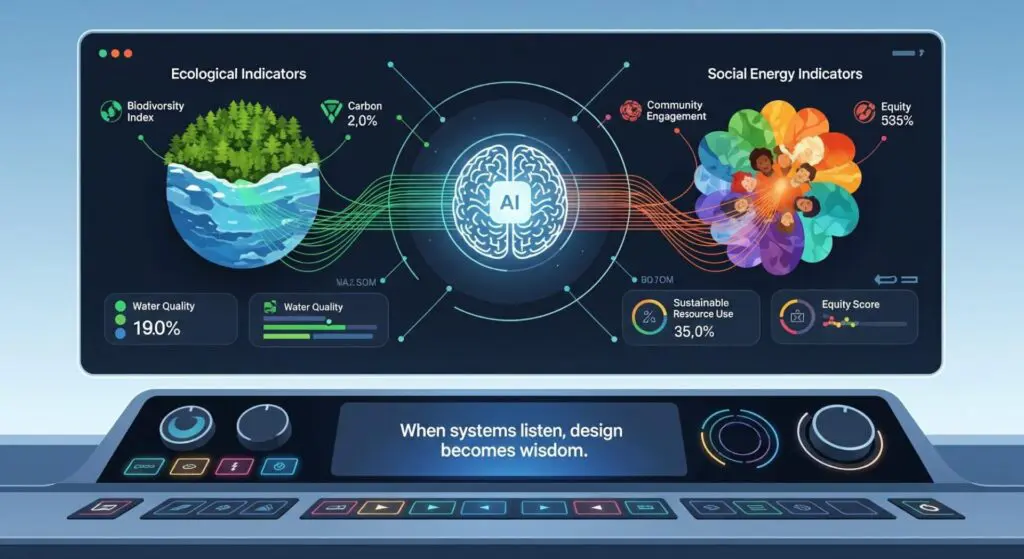
What we need are living energy systems: networks that are adaptive, participatory, and regenerative by design. These systems treat energy not just as output to be managed, but as a reflection of the health and intelligence of the whole. AI plays a central role in this evolution, but only when it is designed with the same principles in mind.
From Machine Learning to Mutual Learning
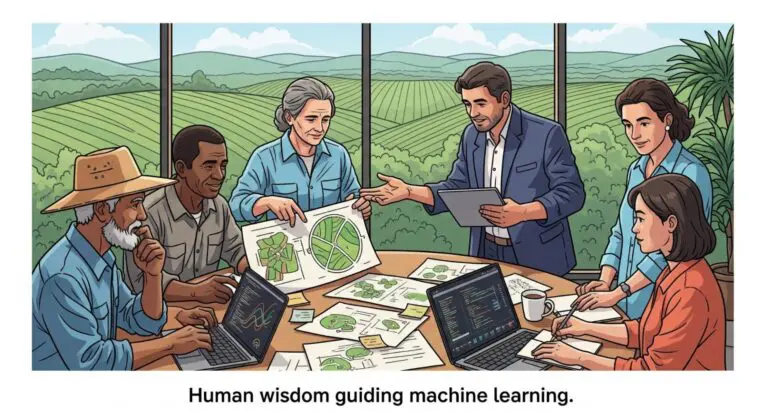
AI can do more than automate; it can help us sense, listen, and respond. In living energy systems, AI becomes a co-designer, working alongside humans and ecological indicators to support balance and growth. It learns from the landscape—not just from code.
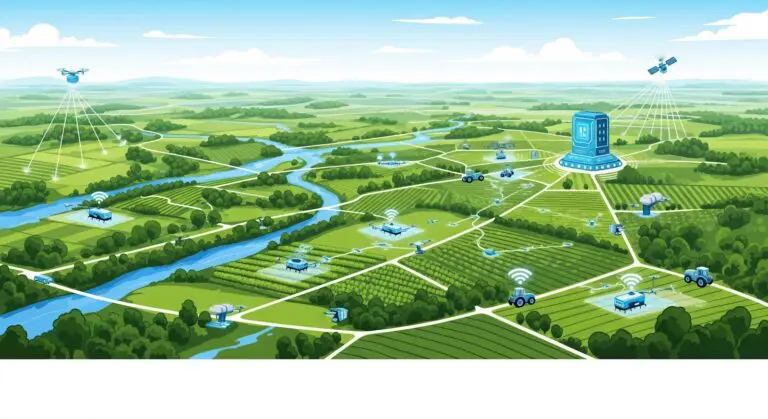
Examples are emerging: bio-inspired algorithms that mimic natural resource flows, decentralized energy systems that self-organize based on community input, and AI that integrates cultural, climatic, and ecological data to shape infrastructure that fits its place.
This is not about controlling nature more precisely, but about entering into deeper partnership with it. It means embedding values like reciprocity, transparency, and wholeness into our tools from the start. When we design with life in mind, our energy systems become more than smart—they become wise.