Regenerative Networks: AI, Genetics and the Future of Seed Systems
Seeds as Part of a Living Network
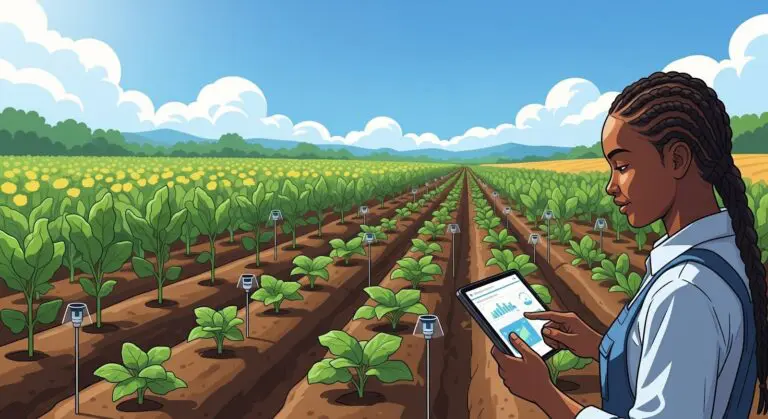
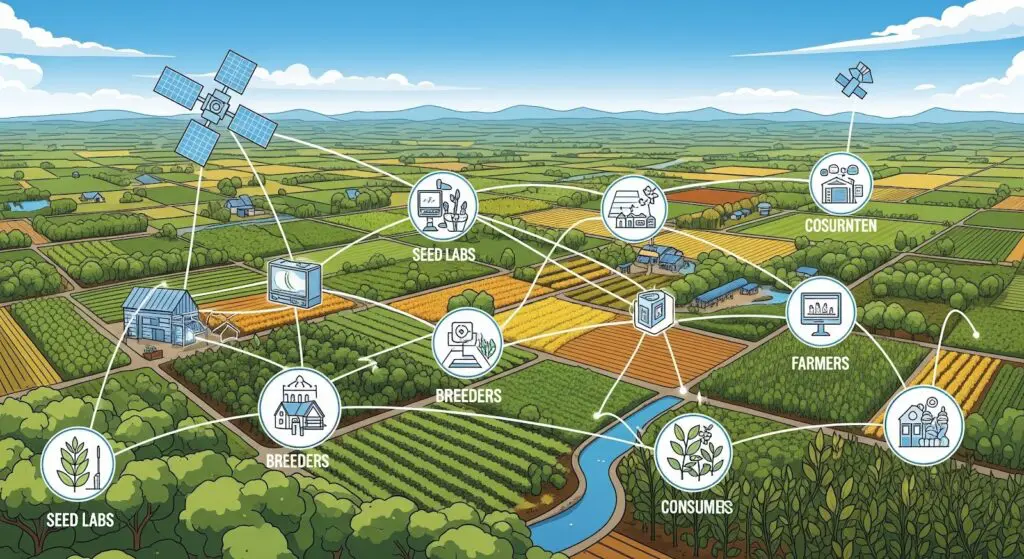
In regenerative agriculture, seeds are nodes in a broader ecosystem. AI transforms breeding, selection and supply chains into a connected network. Predictive models analyze genetics, climate data and soil metrics to stack multiple beneficial genes, delivering climate‑adapted crops with up to 20 % higher yields. AI‑driven breeding programs accelerate development by 30–70 %, enabling continuous iteration and adaptation. High‑throughput phenomics platforms with drones and sensors gather trait data at scale, providing breeders with real‑time feedback and scaling data collection from hundreds to tens of thousands of plants each day. Blockchain and AI traceability systems create immutable records of parental crosses and trait selection, ensuring genetic integrity and transparency in seed supply chains.
AI Platforms and Ecosystem Innovation
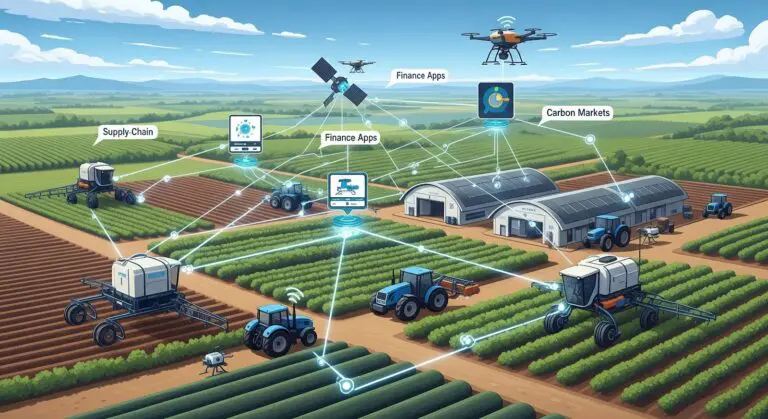
Open, interoperable platforms integrate seed genetics with IoT sensors, satellite imagery, CRM systems and supply‑chain analytics. Generative AI tools optimize seed selection and planting strategies, boosting yields by 25 %. AI‑based advisory systems deliver real‑time recommendations on variety selection, sowing dates and input applications. Data commons built on blockchain allow growers, breeders, researchers and buyers to share performance data, carbon metrics and traceability records. These networks enable collaborative breeding programs, regenerative finance and climate‑smart supply chains.
Enabling Regenerative Business Models
For sellers, the shift to regenerative seed ecosystems opens new revenue streams. Subscription models that bundle seeds with AI analytics, advisory services and traceability tools transform one‑off sales into recurring income. Operations teams can use AI to forecast seed demand, optimize inventory and coordinate with suppliers. Sales teams can access aggregated performance data to target high‑value prospects and craft bespoke offerings. Marketing can position the brand as a partner in climate‑resilient agriculture, while customer success teams foster communities of practice, connecting growers with research institutions and sustainability programs. By seeing seeds as part of an intelligent, regenerative network, companies become orchestrators of food system transformation.