Regenerative Networks: AI, Equipment and Finance in the New Farm Economy
Equipment-as-a-Service and Robotics Platforms
Agriculture is shifting from owning assets to sharing them through networks. Farmers increasingly access machinery via leasing, rental, robotics-as-a-service and data-as-a-service models. These options accommodate trial periods and customization, letting growers scale fleets up or down based on demand. The agricultural robotics sector is booming—expected to grow at a 25.7 % CAGR from 2024 to 2032—and has attracted $2.6 billion in investment. Robots like Solinftec’s precision sprayers deliver 30 % yield gains and pay off within two seasons, while farmers pay only for usage. Such models turn expensive hardware into flexible services, giving more farms access to cutting‑edge tools and aligning costs with value.
AI and Data Platforms Unify Operations, Finance and Supply Chains
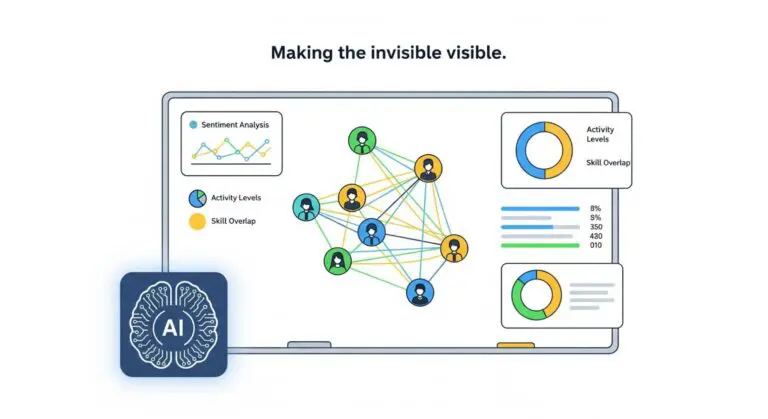
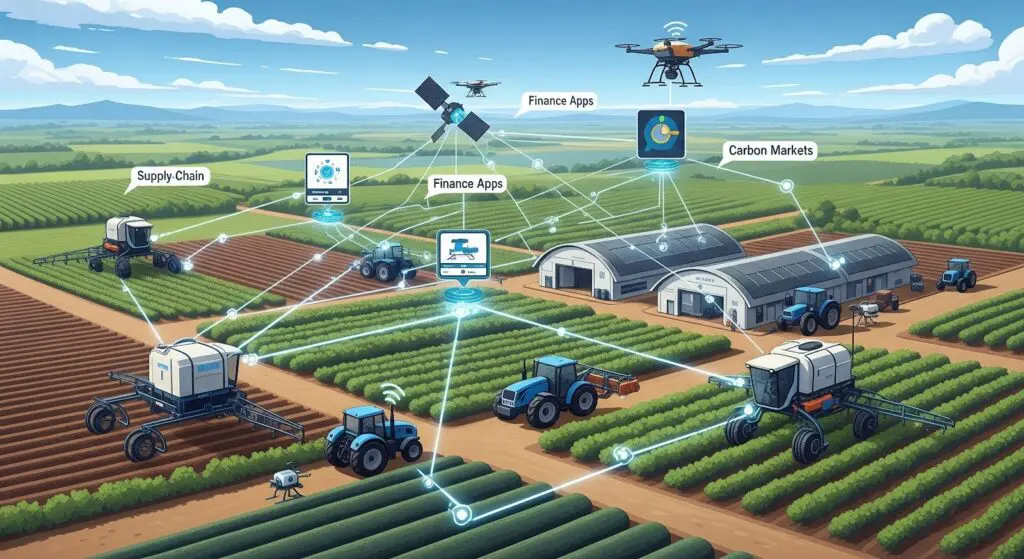
True transformation comes when equipment, sensors and finance are connected. Integrated platforms combine IoT soil sensors, satellite imagery and machine telemetry with digital financing and ERP systems. AI analyzes operational data to recommend optimal leasing terms, predict equipment demand and adjust irrigation and fertilization. Sustainability‑linked finance offers lower rates based on metrics like water savings and carbon sequestration. Embedded finance integrates loan approvals into dealer websites; digital contracts embed environmental clauses; mobile apps deliver real‑time usage reports and payment schedules. For sellers, these platforms unlock recurring revenue via subscriptions, predictive maintenance and data analytics. Operations teams can forecast parts demand, schedule fleet rotations and manage inventory dynamically; marketing can tailor messages to sustainability goals; customer success can deliver proactive support and connect growers with research and carbon markets.
Orchestrating Regenerative Value Chains
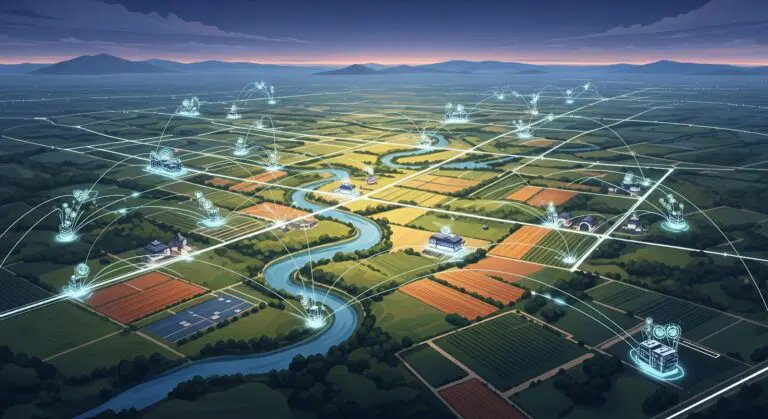
This connected ecosystem supports regenerative supply chains. Data-sharing platforms allow producers, processors, financiers and consumers to track carbon footprints, nutrient cycles and equipment use across the value chain. Smart contracts triggered by soil health metrics unlock loans or pay‑for‑performance incentives. Blockchain traceability and satellite monitoring ensure transparency and accountability. Vendors who offer open, interoperable platforms become orchestrators of these networks, enabling farmers to generate new revenue streams from ecosystem services while meeting the demands of climate-conscious buyers. By aligning AI, equipment and finance with ecological regeneration, the industry evolves from selling hardware to cultivating thriving, resilient food systems.