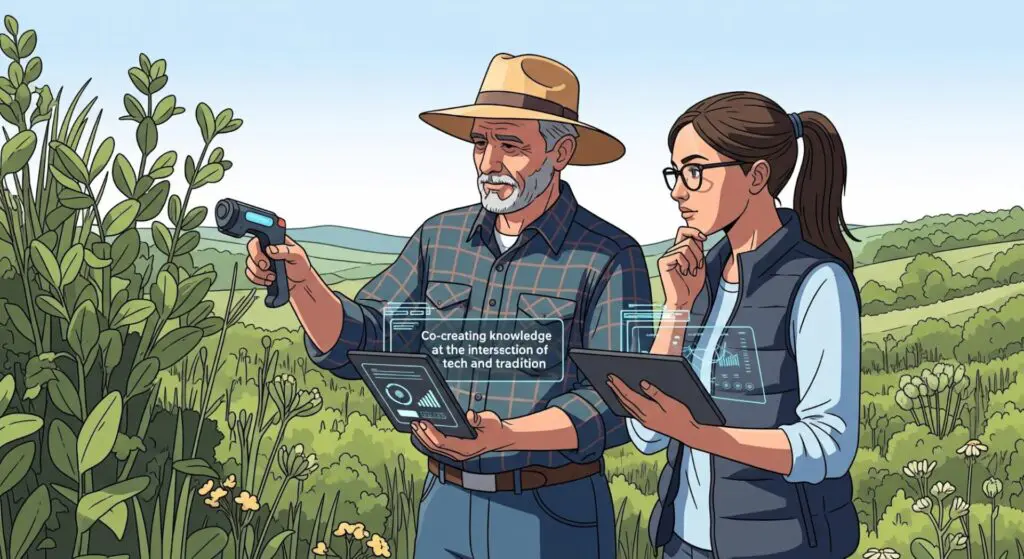
The future of food is deeply intertwined with the health of our ecosystems. Regenerative agriculture offers a way forward that restores soil, nurtures biodiversity, and strengthens local communities. At the same time, artificial intelligence has matured into a tool that can support complex decision-making, integrate diverse data sources, and adapt dynamically to changing conditions.
Too often, tech in agriculture is applied with a reductionist mindset—seeking to optimize yield at the expense of long-term system health. Traditional precision ag models may increase short-term output but can ignore deeper ecological interdependencies. This fragmented approach risks undermining the very systems we aim to support. Without integration guided by whole-systems thinking, AI risks becoming just another extraction tool.
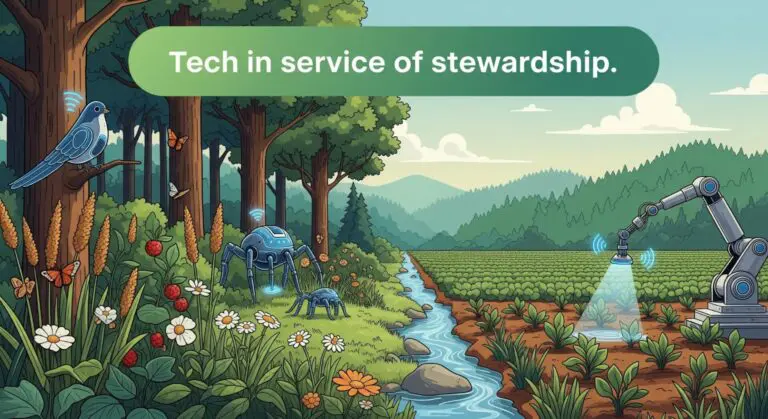
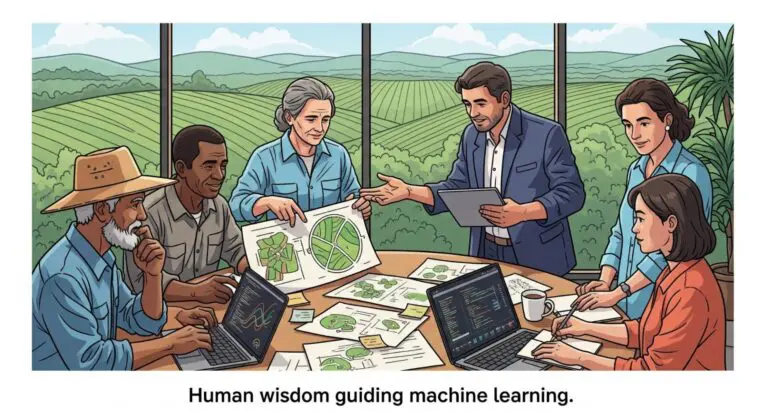
A new paradigm is emerging—one where AI acts not as a controller, but as a collaborator within living food systems. Regenerative agri-tech powered by AI can model soil health over time, support decentralized decision-making among farmers, and adapt to bioregional contexts. Instead of dictating decisions, AI can surface insights that guide holistic stewardship—honoring the intelligence already present in ecosystems and communities.
Projects are already showing promise: AI-informed crop rotation plans based on real-time soil microbiome data, participatory platforms for indigenous knowledge-sharing, and autonomous systems that respond to seasonal rhythms rather than industrial calendars. These are tools of regeneration, not domination.
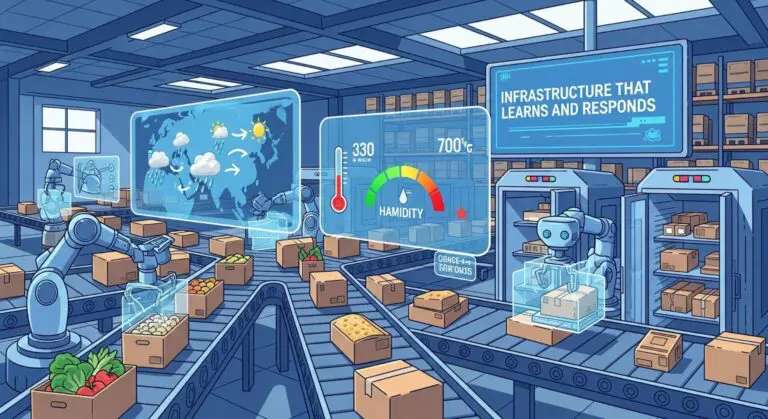
To build resilient, evolving food systems, we must design technology that listens, learns, and lives in relationship. AI can be part of that future—if we let the system lead.