Ecological Intelligence: Building Regenerative Networks through Soil Testing and Nutrient Management
Sensors as the Nervous System of the Farm
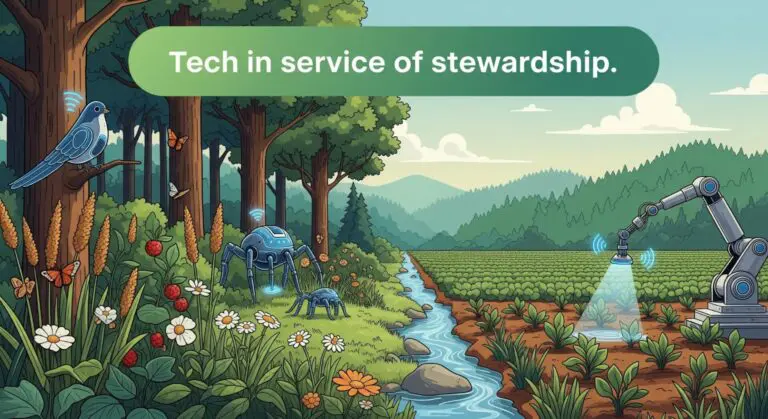
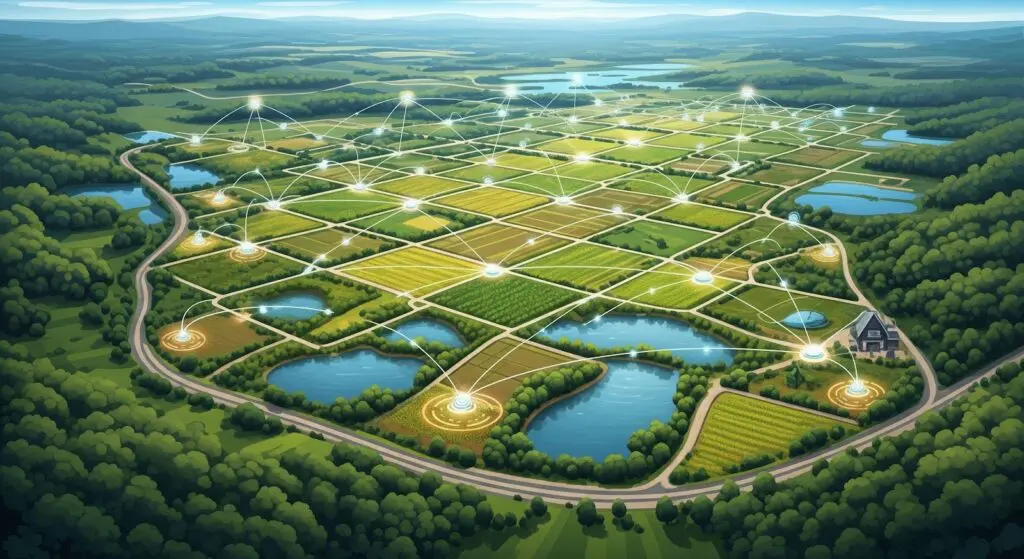
In regenerative agriculture, farms behave like ecosystems. A network of soil pH sensors, moisture probes, and nutrient monitors acts as the farm’s nervous system, continuously sensing the needs of the soil and crops. When integrated with cloud‑based farm management software, these sensors provide a complete picture of soil health and resource flows. Smart irrigation systems link soil moisture data with weather forecasts and AI models to reduce water usage by 30–50 % and boost water-use efficiency by up to 60 %. Variable‑rate fertilization combined with precision pH adjustments reduces fertilizer use by up to 20 % while increasing yields by about 10 %. Long‑term studies show that sensor‑based nitrogen management cuts nitrogen applications by 28 lbs per acre per year without yield loss, illustrating how regenerative practices can be both productive and resource‑efficient.
AI‑Driven Ecosystems and Platform Innovation
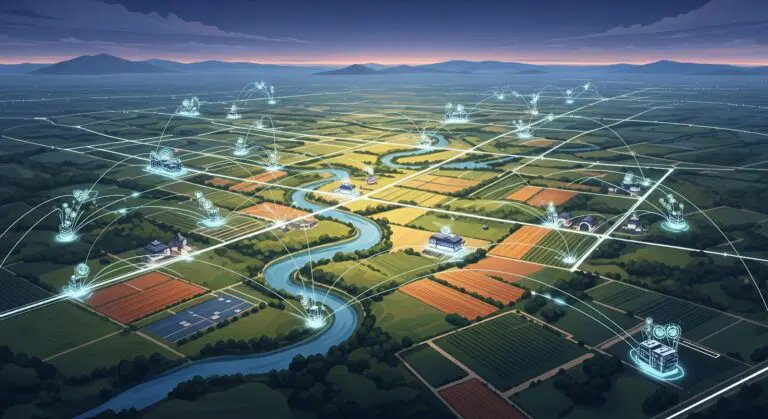
AI stitches these data streams into actionable insights. Advanced models analyze soil heterogeneity, crop growth stages and weather patterns to recommend precise irrigation and fertilization. AI assistants like AgriCompanion interpret natural‑language questions and deliver targeted recommendations, while also allocating tasks and tracking progress to keep teams aligned. Sellers who build open, interoperable platforms combining sensors, analytics, CRM and supply‑chain tools can offer farms end‑to‑end regenerative ecosystems. They can provide subscription‑based services that include AI‑driven agronomy, predictive maintenance and carbon tracking, transforming one‑off sales into recurring revenue streams. Marketing can position these ecosystems as pathways to climate‑smart agriculture; operations can forecast demand and manage inventory using AI; and customer success teams can foster collaborative networks among growers, researchers and sustainability programs.
Regenerative Supply Chains and Data Commons
Regenerative agriculture thrives on collaboration. By sharing soil and nutrient data across farms and supply chains, growers and buyers can align on sustainability goals, trace nutrient inputs from soil to shelf, and access eco‑premium markets. Farm management platforms help record soil health metrics, carbon sequestration and nutrient cycles, creating data commons that underpin regenerative finance and supply chains. For sellers, participating in these networks unlocks new business models: offering data analytics and traceability services, enabling farmers to earn carbon credits, and co‑developing sustainable products with food brands. When soil testing, nutrient management and AI converge, farms become living ecosystems—resilient, profitable and regenerative.